
NexGen i-CAT Cone Beam Imaging in [city], [st]
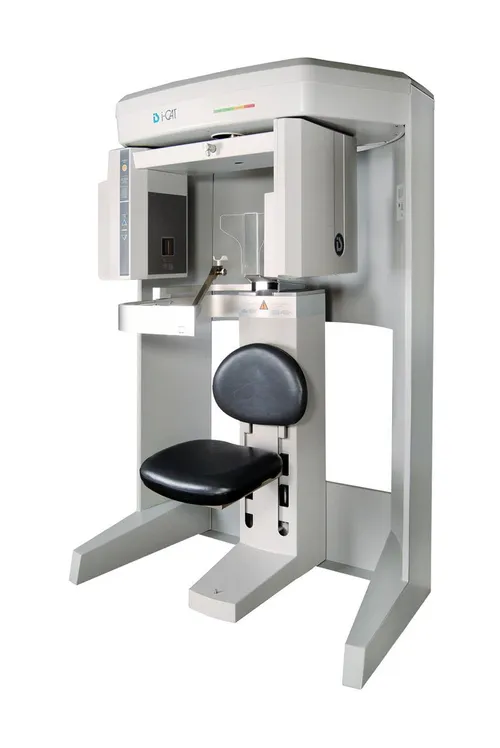
At TMJ Relief 360, we utilize the NexGen i-CAT Cone Beam CT (CBCT) system — one of the leading 3D imaging technologies available today for evaluating the temporomandibular joints (TMJs). This advanced imaging technology allows us to obtain detailed, three-dimensional views of the jaw joints, surrounding bone and structural relationships that are not visible on traditional dental X-rays.
For patients experiencing TMJ discomfort, jaw clicking or locking, muscle pain, bite changes or chronic facial pain, CBCT imaging is a critical part of establishing an accurate diagnosis and selecting the right treatment path.
Why CBCT Is Essential for TMJ Diagnosis
TMJ disorders can involve soft tissue, bone, ligaments, disc position or mechanical dysfunction. Clinical examination alone cannot reveal the full picture.
CBCT imaging provides essential diagnostic information such as:
- Early and advanced degenerative joint disease (DJD)
- Condyle shape and structural changes (flattening, sclerosis, erosion, osteophytes)
- Joint space measurements, which help infer articular disc displacement
- Condylar position within the fossa in both open and closed views
- Asymmetry or anatomical variations that may contribute to pain or dysfunction
- Baseline imaging for monitoring long-term changes or progression
This level of detail is invaluable in identifying whether symptoms are muscular, inflammatory, mechanical or arthritic in nature.
Insight Into Articular Disc Position
Although CBCT cannot directly visualize the soft-tissue disc, it can provide indirect but clinically meaningful information about possible disc displacement:
- Narrowed or widened joint spaces
- Anterior, posterior, or superior condylar positioning
- Bony remodeling consistent with chronic disc displacement
- Structural clues that help determine whether an MRI is appropriate
This helps our dentist and team decide whether additional imaging is needed and guides treatment planning with far greater accuracy.
Radiologist Interpretation for Every Scan
While we review your scan with you during your appointment, every CBCT image is also sent to a board-certified radiologist for comprehensive evaluation.
This ensures:
- No subtle findings are overlooked
- Any incidental pathology (sinus, airway, cervical spine, bony lesions) is identified
- You receive documented, expert-level imaging interpretation
- Your diagnosis is backed by both clinical and radiologic analysis
This dual-layer review elevates diagnostic accuracy and patient safety.
Why Having This Technology In-Office Matters
Access to CBCT imaging during your appointment provides several advantages:
- Immediate answers — no need to visit an outside imaging center
- Faster diagnosis and treatment planning, often on the same day
- Lower radiation than conventional medical CT scans
- Comfortable, open-design imaging with a quick scan time
- Ability to correlate imaging findings with symptoms during the same visit
- Enhanced ability to rule out structural pathology quickly and accurately
For patients with TMJ or orofacial pain, the ability to perform CBCT imaging onsite allows us to deliver a high level of precision and efficiency in diagnosis and care.
A Modern, Comprehensive Approach to TMJ Care
The NexGen i-CAT CBCT system is a cornerstone of our diagnostic process. By combining detailed 3D imaging with a thorough clinical evaluation, we can provide:
- Accurate diagnosis
- Targeted treatment recommendations
- Superior monitoring of progress over time
- Greater peace of mind for patients seeking answers
This technology allows our dentist to evaluate your TMJ condition with clarity and confidence, helping ensure you receive the most informed and effective care possible.
To schedule an appointment with Dr. Raymond Carpenter and learn more about NextGen i-CAT cone beam imaging in San Diego, CA, please contact TMJ Relief 360 at 858-277-3910 and speak with a member of our team!